The Growth Capacity Lab™ is six live working sessions with a small room of advisory firm owners at your stage. Your own numbers on the table, and only as much of them as you choose to show. Six weeks from now you’ll have the constraint named, the fix priced, and your first ninety days sequenced. If the next stage for you is a hire or acquiring a book, you leave with that math done.
Why six weeks? One layer of the practice per session. Shorter skips a layer. Longer turns a working lab into a program.
I ran this on my own practice first. It sold at 4.25 times recurring revenue.
The founding cohort starts Tuesday, September 15. Seats are limited.
The Lab is capped at ten owners, and it’s built for a specific one: past the build phase, ready to break through the capacity ceiling that forms when growth strictly runs through the owner personally. Not hunting for another marketing tactic. Not attached to the chaos. You know the next stage, whether that’s a team that runs without you in the room or a book you acquire, takes structure you don’t have yet, starting with a number two trusted with real decisions, not just tasks. If that’s you, take the seat.
I restructured my own practice and sold it at 4.25 times recurring revenue, against a market where most bring two and a half to three and a half. Structure was the difference. The research says the same thing about practices that never sell:
Kitces Research measured it. In the study “How Financial Planners Actually Do Financial Planning,” practices with identical headcount produced very different revenue depending on how the roles were arranged; the best-arranged three-person teams generated $1.237 million in revenue per advisor, outperforming teams twice their size. There is no single right arrangement, and the averages won’t tell you yours. What holds everywhere: how the team is structured decides what it can produce.
A decade or more in, most advisory practices are still running the structure that got them started. Every client chose the founder. Every decision routes back to the founder. That design built the practice, and past a certain size it caps what the practice can hold.
The Lab exists to find your cap and price the fix.
You know what growing the practice actually asks of you: real time with your best clients, real conversations with the centers of influence who already send you work. That’s the plan. Then the week happens. The reviews get prepped, the plans get signed off, the service issues get handled, and the follow-up with the COI who mentioned two referrals moves to next week for the third time.
Your calendar fills from the bottom: reactive work first, growth work through whatever time is left over. One full session of the Lab is spent on exactly this: where the hours are going, which of them only you can hold, and what a week looks like when your best clients and best COIs keep their place on the calendar.
Six sessions, live on Zoom, 75 minutes each: 60 minutes of working content, a 15-minute working seat where the frameworks get applied to real practices in the room, including yours.
Cameras on, real time. The room is the point: a small group of other owners weighing the same class of decisions you are. You watch your own problem get worked on someone else’s practice before it’s your turn in the seat.
Why six weeks? One layer of the practice per session. The ceiling data, the hiring math, your calendar, what a client book is worth when you’re the buyer, your team, then your 90-Day Growth Map. Six working sessions is the shortest path through every layer with your own numbers on the table. Shorter skips a layer. Longer turns a working lab into a program.
A room of owners only works if the room is engineered for it. It is. Four rules, built in before session one.
No staff, no vendors, no observers. Everyone in the room runs a practice of their own and is weighing the same class of decisions you are. The conversation stays at the level only owners can have.
Every participant signs a mutual confidentiality agreement before the first session. What’s shared in the room stays in the room.
Your real numbers live in your own workbook, reviewed by me and no one else. Group exercises run on ratios: revenue per team member, the share of your week that prospecting actually gets. Nobody hears your AUM, your revenue, or your expenses unless you choose to share them.
Teaching segments are recorded and yours to rewatch for 12 months, so a missed Tuesday costs you nothing. The seat itself is live-only, every cohort, no exceptions.
Why advisory practices plateau, and what the data actually shows. The structural argument, with the industry numbers on the table.
The chicken-and-egg problem, solved with math. What a supported lead advisor produces versus an unsupported one, and what “I can’t afford to hire” actually costs.
How to get your calendar back, and what to do with it. Structural time allocation first; then guest practitioner Natalie Hales on filling the reclaimed hours with your best clients, best COIs, and right-fit prospects.
What a client book is worth when you’re the buyer, and what makes a practice able to hold one. The enterprise-value lens on client relationships, with guest practitioner Gerry Lalonde, CPA, who advises business owners on what gives a company enterprise value.
Real delegation versus cosmetic delegation. Structure first; then a guest practitioner on whether you have the right people in the seats.
From diagnosis to action. The whole session runs in the working seat: every participant leaves with their own priority sequence, pressure-tested live.
I lead all six sessions. Three of them bring a working practitioner into the room for the applied half, each one chosen for the layer on the table that week.
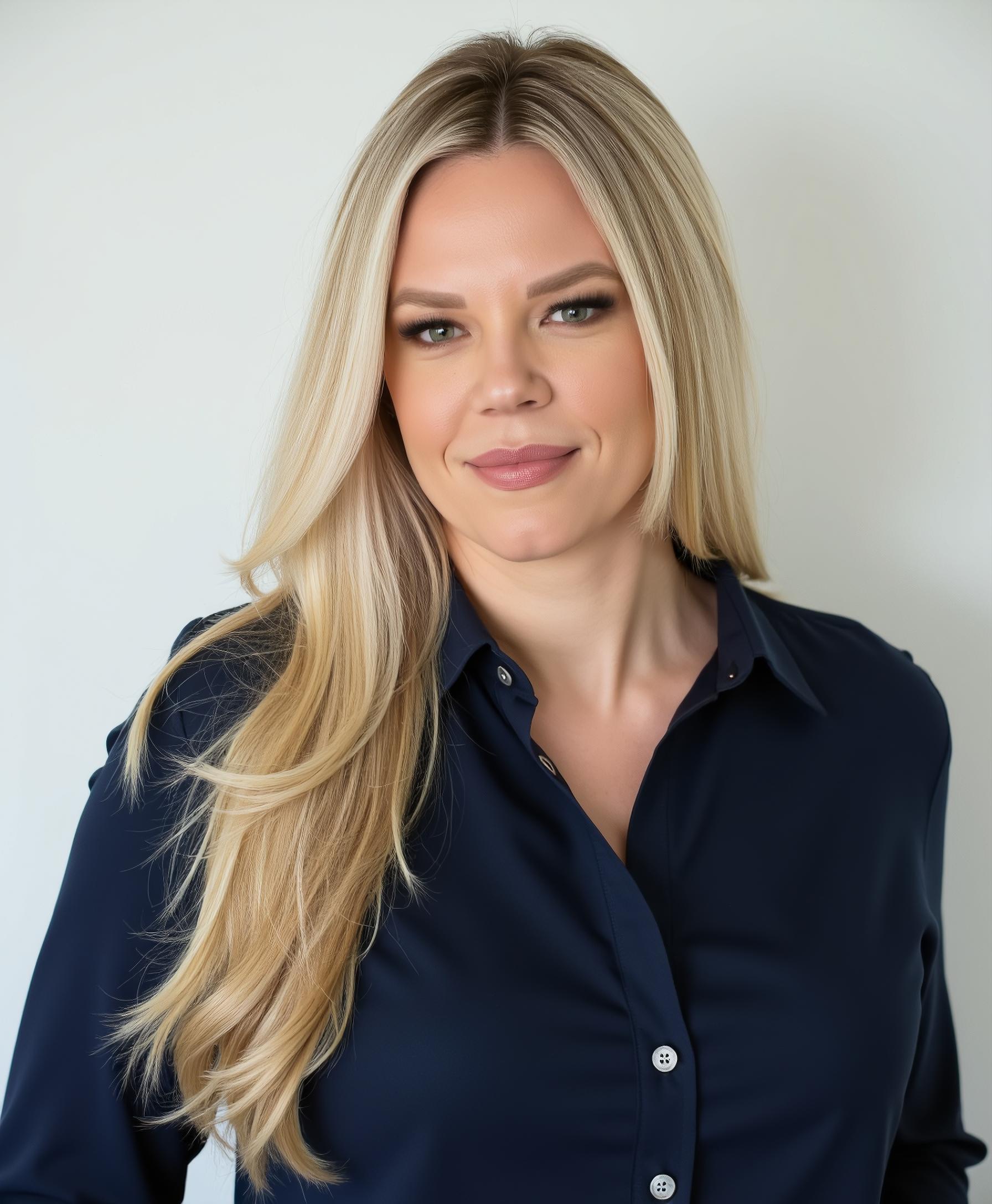
Founder of The Niche Funnel™ and a brand strategist with fifteen years inside financial services marketing, Natalie shows experienced advisors how to turn expertise into authority. Her principle is direct: clarity creates demand.
LinkedIn

A CPA and exit planning consultant to owner-managed businesses generating $5–$25M in revenue, after a career of CFO, CTO, and CEO roles that included taking two companies public. Gerry brings the enterprise-value lens: what gives a company value beyond its owner.
LinkedInA third guest practitioner on whether you have the right people in the seats. Announced shortly.

Across the four areas that govern capacity: your time, decision rights, team readiness, and client handoffs.
Your constraints in priority order, with the first moves sequenced. Built across the six weeks, finished in Session 6.
For most owners that’s hiring: what the next hire produces, what it frees, and when it pays back. The same numbers begin your acquisition prep, if that’s a road you want open.
Within 30 days of the final session, to check the map against what’s actually happened since.
I’m Nathan Parkhouse, CFP®, CIM®, FMA. 25+ years in the business. I built Parkhouse Financial from scratch over nearly 20 years, restructured it to run beyond me, and sold it at 4.25 times recurring revenue. I’ve taken over practices in transition and sat on the buyer’s side of a deal that fell through. Both ends of the equation, lived.
The Lab puts the frameworks in your hands, with a room of peers around the work and my input when you’re in the working seat. For owners who want my full analysis of their specific practice, that’s the Growth Capacity Diagnostic, and it goes where a group room can’t. The Lab is where you learn to see your structure. Some owners will then want it seen for them.
You’ve run the practice for years on the structure that got it started. Seven and a half hours, spread across six weeks, is what it takes to find out what that structure is costing you now, and what to move first.
Reserve your seatThe founding cohort starts September 15. Seats are limited.